top of page

Symptoms of vein disease — Recognizing the warning signs in your legs.
Symptoms
From Symptoms To Solutions
Vein disease can cause more than visible veins. Many people experience aching legs, swelling, heaviness, cramping, or discomfort that worsens throughout the day. These symptoms are common in adults across the Wasatch Front and may be signs of an underlying circulation problem.
At Precision Vein and Vascular, patients in Salt Lake County receive advanced vein evaluations and personalized treatment plans to help relieve symptoms, improve circulation, and restore daily comfort.
Common symptoms of venous disease include leg pain, swelling, heaviness, fatigue, restless legs, nighttime cramps, itching, and visible varicose or spider veins. Symptoms often become worse after long periods of standing or sitting and should be evaluated before they progress.
Tired of Living with Leg Discomfort?
You Are Not Alone!
Millions of people experience symptoms of vein disease such as leg pain, swelling, heaviness, and visible veins every day. With today’s minimally invasive treatments, lasting relief is possible — often with little downtime and convenient in-office care.
The first step is finding out what is causing your symptoms.
What's Your Experience?
Do your legs ache, feel heavy, or swell by the end of the day? Are you noticing visible veins, restless legs, or cramps that make it harder to stand, walk, or sleep comfortably? These common symptoms could be signs of underlying vein problems — even if they seem minor at first.
At Precision Vein & Vascular we help people just like you determine whether their leg discomfort is related to venous issues — and provide gentle, effective treatments for lasting relief.
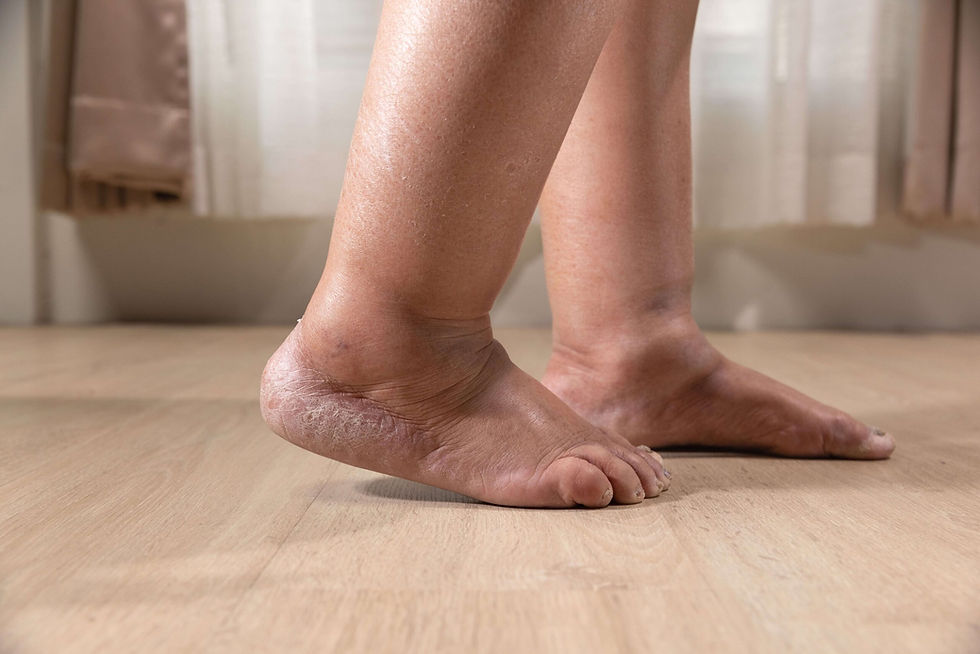
Leg Swelling and Heaviness
Many patients describe their legs as tired, heavy, or swollen by the end of the day. Symptoms often worsen after long periods of standing or sitting.
This can happen when weakened veins allow blood and fluid to pool in the legs. If swelling or heaviness becomes frequent, a vein evaluation may help identify the cause.

Varicose Veins — Bulging, Twisted Veins on the Legs
Varicose veins are enlarged blue or purple veins that bulge beneath the skin. They commonly appear on the legs and may become more noticeable over time.
They develop when vein valves stop working properly, causing blood to pool in the veins. In addition to their appearance, varicose veins can cause aching, swelling, heaviness, and leg fatigue. They are often a sign of underlying vein disease — not just a matter of appearance.

Spider Veins — Small Visible Veins Near the Skin Surface
Spider veins are small red, blue, or purple veins visible near the surface of the skin. Unlike varicose veins, they are usually smaller and flatter.
They may develop due to aging, genetics, hormones, or circulation problems. While often harmless, spider veins accompanied by pain or swelling should be evaluated.
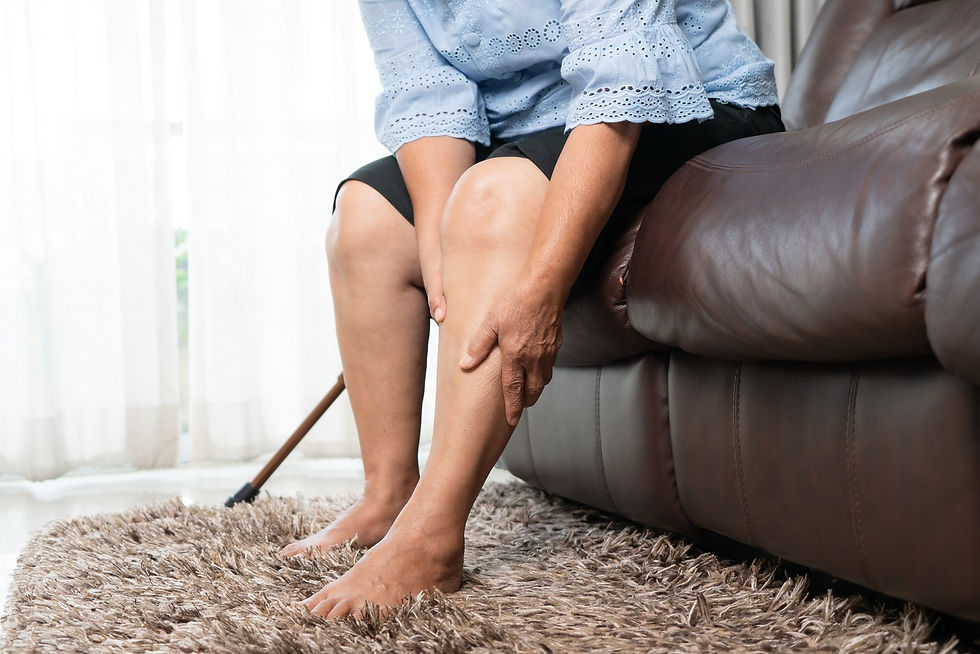
Aching, Throbbing, or Burning Pain in the Legs
Patients may experience dull aching, throbbing, or burning sensations in the legs that worsen throughout the day.
This discomfort can result from increased pressure caused by poor vein circulation. Persistent leg pain should be evaluated, especially when paired with swelling or visible veins.

Restless Legs and Leg Cramps
Restless legs can feel like an uncomfortable urge to move the legs, especially at night. Others experience cramping or tightness that disrupts sleep.
Poor circulation may contribute to these symptoms in some patients. Because restless leg syndrome can have multiple causes, a vein evaluation may help determine whether vein disease is involved.

Skin Discoloration and Thickening Around the Ankles
Advanced vein disease may cause darkened, irritated, or thickened skin near the ankles or lower legs.
These skin changes occur when long-term vein pressure affects healthy circulation. Patients with skin discoloration or thickening should seek evaluation promptly, as this may indicate advanced venous disease.

Non-Healing Wounds and Venous Ulcers
Venous ulcers are slow-healing wounds that usually develop near the ankles or lower legs.
They occur when poor circulation prevents the skin from healing properly. Treating the underlying vein disease is often an important part of recovery, along with coordinated wound care when needed.
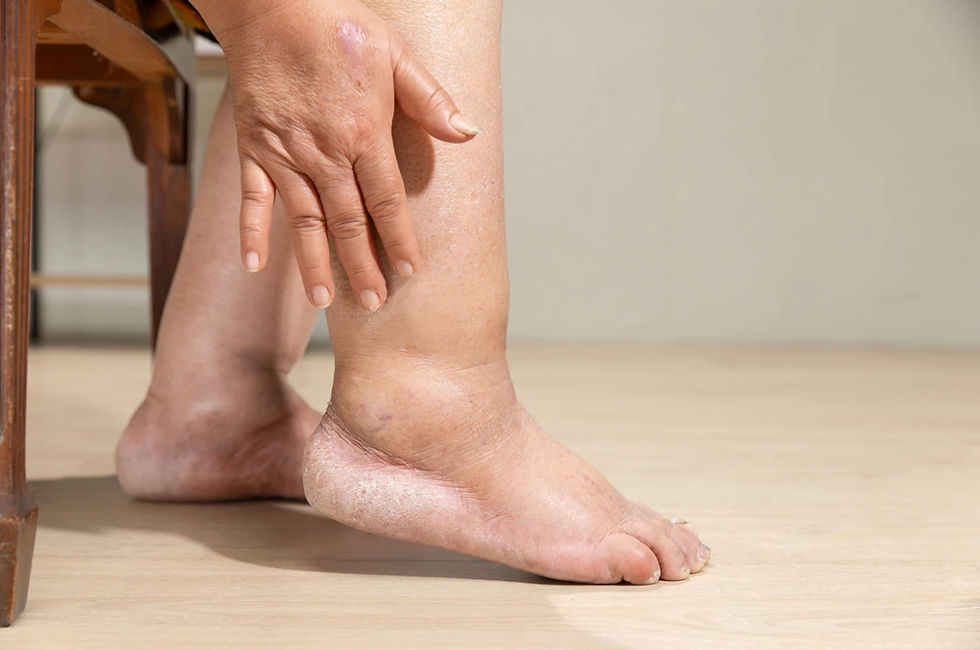
Numbness, Tingling, and Peripheral Neuropathy Symptoms
Some patients experience numbness, tingling, burning, or pins-and-needles sensations in the legs or feet.
While neuropathy has many possible causes, vascular conditions may also contribute to these symptoms. At Precision Vein and Vascular, evaluations help identify whether circulation issues may be playing a role.
Leg swelling, aching, heaviness, and visible veins may be signs of an underlying vein condition
Experiencing These Symptoms?
The specialists at Precision Vein and Vascular in Millcreek provide comprehensive vein evaluations to identify the source of your symptoms and recommend the right treatment options — often in just one convenient visit.
Come see us and get the answers you need.
When Should You See a Vein Specialist?
Vein symptoms are often gradual, but they should not be ignored. Early evaluation can help identify vein disease before symptoms become more severe or begin affecting your daily life. These symptoms may suggest an underlying vein condition that could benefit from treatment.
Schedule an evaluation if you notice:
-
Leg swelling that becomes worse throughout the day
-
Aching, heaviness, or tired legs after standing or sitting
-
Visible varicose veins that are becoming larger or more uncomfortable
-
Spider veins appearing more frequently over time
-
Burning, throbbing, or cramping in the legs at night
-
Restless legs that interfere with sleep
-
A family history of vein disease along with leg symptoms
These symptoms may indicate more advanced venous disease and should be evaluated as soon as possible. Seek prompt evaluation for:
-
Skin discoloration or darkening near the ankles
-
Thickened, hardened, or irritated skin on the lower legs
-
A wound or sore on the leg that is slow to heal
-
Sudden swelling in one leg
-
A vein that becomes red, warm, painful, or firm
-
Bleeding from a varicose vein, even after minor injury
Leg pain, swelling, heaviness, and visible veins should not be ignored.
Find Out What's Causing Your Leg Symptoms!
At Precision Vein and Vascular in Millcreek, comprehensive vein evaluations help identify the source of your symptoms and guide you toward effective treatment options and lasting relief.
Schedule your evaluation today.
Who Is At Risk for Vein Disease?
Certain factors can increase the likelihood of developing vein disease and circulation problems in the legs.
Age
Vein walls and valves naturally weaken over time, making vein disease more common in older adults.
Gender
Women are more likely to develop vein conditions due to hormonal changes related to pregnancy, menopause, and birth control use.
Family History
A family history of varicose veins or venous disease can increase your risk of developing similar symptoms.
Occupation
Jobs that require long periods of standing or sitting can place added pressure on the veins in the legs.
Obesity
Excess body weight increases pressure on the veins and can make circulation problems worse over time.
Pregnancy
Pregnancy increases blood volume and pressure on the leg veins, which may lead to swelling, spider veins, or varicose veins.
Previous Blood Clots
A history of blood clots can damage vein valves and increase the risk of chronic venous problems.
Sedentary Lifestyle
Limited movement and lack of regular activity can reduce healthy circulation and contribute to vein disease symptoms.

Treatments
We offer a comprehensive range of modern, minimally invasive treatments designed to effectively address varicose veins, spider veins, and other venous conditions with minimal downtime and discomfort.
Treatments prioritize safety and precision, often guided by ultrasound, allowing blood to reroute to healthier veins while alleviating symptoms like pain, swelling, and heaviness. We also emphasize supportive measures, including custom-fitted compression therapy and personalized lifestyle recommendations, to enhance outcomes and prevent recurrence for lasting vascular health.


FAQ
Frequently asked questions about vein treatment.
General
Treatments
Symptoms

Contact Us
We'd love to chat! Reach out and let us know how we can help.
Precision Vein & Vacular:
4460 S Highland Drive, Suite 220
Millcreek, UT 84124
United States
bottom of page